Beyond Post-Editing: How I Pivoted My Practice into AI Integration Consulting
Let’s be completely honest: the traditional per-word translation model is broken, and Machine Translation Post-Editing (MTPE) felt like a financial race to the bottom for me. For a long time, I felt the market was trying to push me into a corner, expecting me to fix clunky, robotic machine output at a fraction of my original rates.
But then I realized a hard truth: as Large Language Models (LLMs) grow more sophisticated, the value of a linguist who simply fixes grammar rules is diminishing. However, my value as a professional who understands context, data privacy, workflow automation, and linguistic risk mitigation had never been higher.
That was the exact moment I decided to change my mindset. I shifted my paradigm from a passive end-of-line post-editor to a proactive, foundational architect. I stopped selling words and pivoted into an AI Integration Consultant.
The Mindset Shift: Designing the System
When I stopped counting words, I realized that clients need to figure out how to implement artificial intelligence into their corporate workflows without destroying their brand reputation or violating data laws. As a consultant, I became the bridge. My core services shifted from editing to high-value architectural consulting.
How I Rebuilt My Pricing (And Said Goodbye to Word Counts)
I realized that I could not sell consulting services by the word. It made absolutely no sense to quote a few cents per word when I was restructuring an agency’s technical workflow or auditing an LLM data pipeline.
To make my pivot successful, I completely overhauled my core metrics, moving away from per-word volume and focusing strictly on business and structural outcomes through two pricing models that actually value my brainpower:
- The Effective Hourly Rate (EHR) Retainer: I established flat monthly fees for a set number of availability hours. This turned me into an ongoing strategic partner for my clients' internal marketing or product teams.
- Value-Based Project Pricing: I started charging for the structural outcome, pricing the project or asset and not the hours it took me to configure the stack.
How I Transformed My Positioning
This transition required a total change in how I marketed myself. I completely overhauled my professional presence. On my website and profiles, I moved past generic descriptions like "English to Spanish Translator."
Instead, I changed the nature of my client conversations. I began emphasizing my strategic capabilities: "Localization Architect", "Secure AI Workflows Strategist", or "Cultural Risk Mitigation Specialist". When I talk to clients now, I stop asking about file formats or word counts.
The Bottom Line
Optimization in the modern landscape isn’t about typing faster or accepting lower MTPE rates to maintain volume. It is about understanding where my cognitive efforts yield the highest return.
Our industry is evolving. My understanding of nuance, culture, and language is a premium business asset. I stopped selling it short by the word. The AI is merely the software; tech provides the efficiency, but human cognition directs the system to ensure communication never loses its soul. I started positioning my brain as the ultimate operating system.
About the Author:
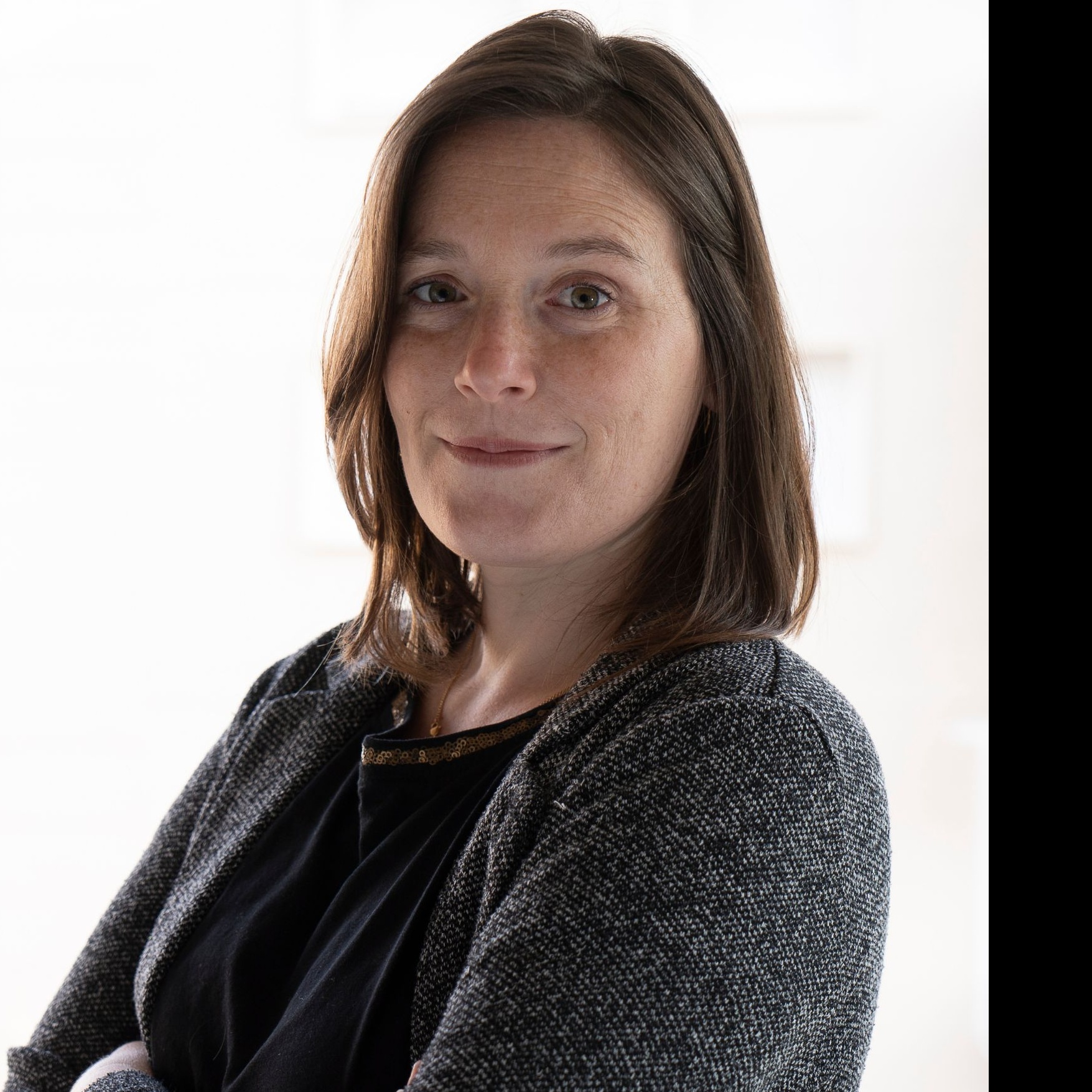
Raquel Hurtado is a localization workflow architect, AI integration consultant, and the strategist behind The Context Bridge. After years in the industry, she successfully shifted her own practice away from traditional legacy metrics to pioneering data-driven, secure AI pipelines. Operating under her professional moniker, crock pott, Raquel now helps language service providers and corporate clients transition into the modern linguistic era through custom tech-stack automation, prompt engineering, and intersectional bias auditing. By treating the human brain as the ultimate operating system, her work redefines how modern linguists price, protect, and scale their cognitive value in a changing global market.